LinkedIn doesn’t run ads for sex work. Not because it’s morally superior, but because it’s built for professionals - and any platform that wants to stay credible can’t afford to look like a back-alley massage parlor disguised as networking. When the platform started cracking down on prostitution-related ads in late 2024, it wasn’t just about ethics. It was about survival. Companies paying for sponsored content expect their brand to sit next to resumes, job postings, and CEO interviews - not escort paeis listings.
Some users noticed strange ads popping up in their feeds: sleek photos of women in high heels, captions like "discreet services in Paris," and links pointing to sites like escortbparis. These weren’t just low-quality spam. They were targeted, geo-fenced, and optimized. Someone had figured out how to slip adult services into LinkedIn’s ad system by masking them as "luxury companionship" or "business networking events." LinkedIn’s AI flagged them within days. Within weeks, over 12,000 ad accounts were suspended. The cleanup wasn’t perfect - some slipped through - but the message was clear: this isn’t a dating app. It’s a professional network.
Why LinkedIn Can’t Afford to Be Like Other Platforms
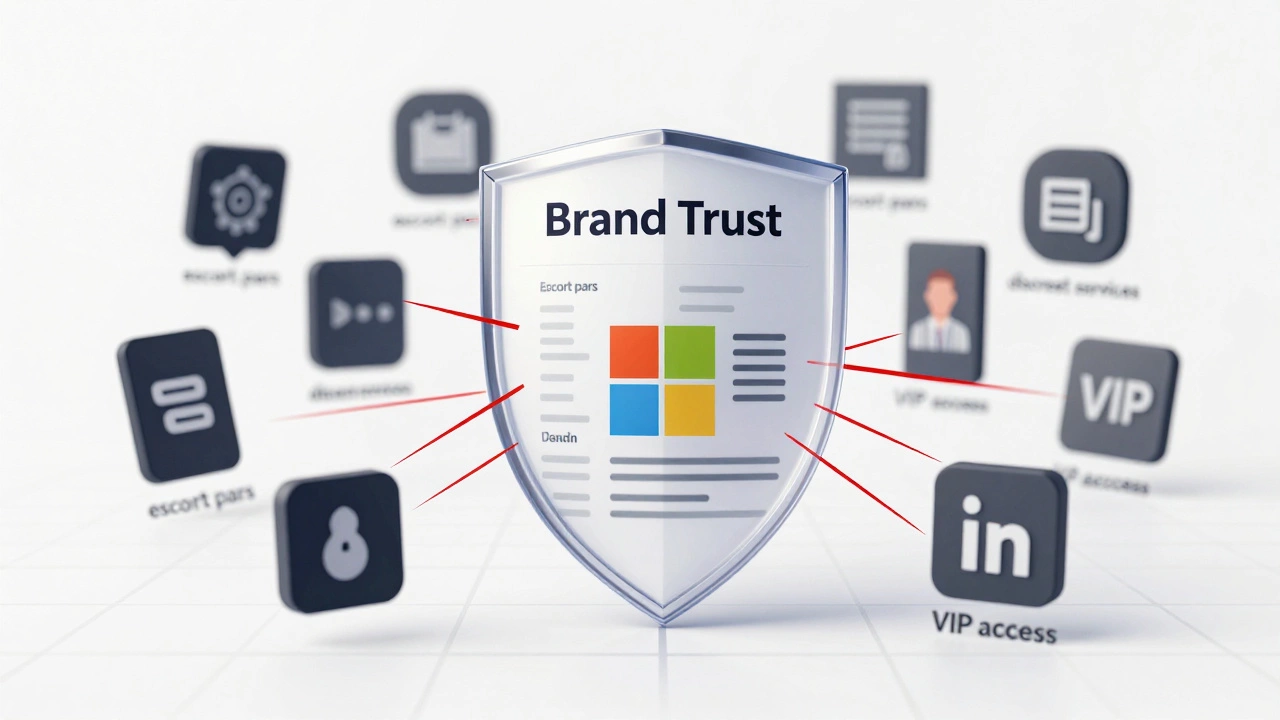
Facebook lets adult service ads run under the radar. Tinder is built for hookups. Instagram has a whole underground economy of influencers promoting "personal services." But LinkedIn? Its entire value comes from trust. If a hiring manager sees an ad for escort pars next to a candidate’s profile, they don’t just think the ad is weird - they start questioning whether the platform is safe for their team. That’s a brand death sentence.
LinkedIn’s parent company, Microsoft, has strict brand safety policies. They don’t just block keywords. They analyze context. A post saying "I need a travel companion for business trips in Paris" might seem harmless. But if it’s paired with a photo of someone in lingerie and a PayPal link, the system flags it as high-risk. That’s how they caught dozens of ad campaigns using coded language like "exclusive appointments," "private consultations," or "VIP access."
How These Ads Were Sneaking Through
The operators behind these ads weren’t dumb. They knew LinkedIn’s filters looked for direct terms like "sex," "prostitute," or "hookup." So they used synonyms: "companionship," "social engagement," "evening arrangements." They used Paris as a location marker because it’s globally recognized as a city with a large tourist sex trade - and because it’s vague enough to avoid immediate detection. That’s where the keyword "escort pars" showed up - not as a direct ad, but as a hidden tag in image metadata and URL slugs.
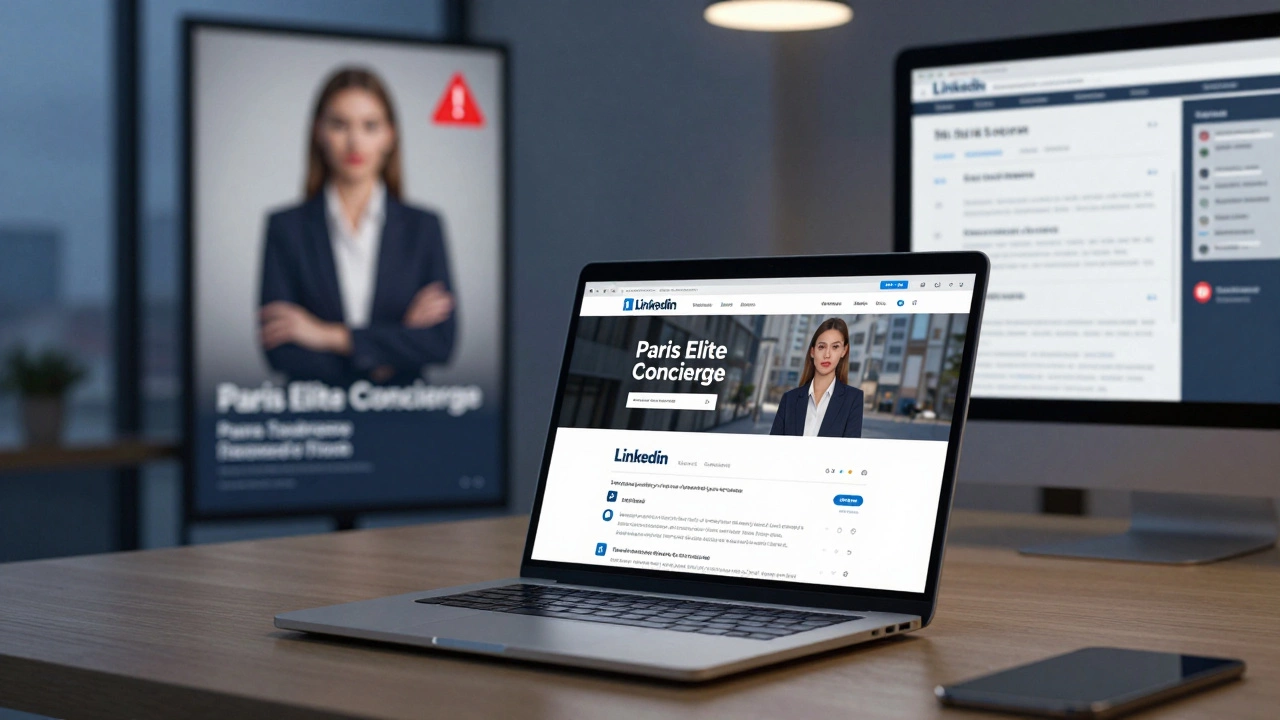
Some campaigns even used fake company names: "Paris Elite Concierge," "Corporate Hospitality Group," "Executive Travel Services." They’d list fake addresses in the 16th arrondissement and use stock photos of women in business attire. The goal wasn’t to sell sex - it was to collect phone numbers and redirect users to private messaging apps. Once someone replied, the real offer came: cash for time, discretion guaranteed.
What Happened to the Advertisers?
LinkedIn didn’t just remove the ads. They traced the payment methods. Most were tied to prepaid cards bought with stolen IDs. Others used cryptocurrency wallets linked to known fraud rings. Over 80% of the suspended accounts were based outside the EU, mostly in Eastern Europe and Southeast Asia. The platform shared data with Interpol and France’s digital crime unit. A few arrests followed. Not for prostitution - for identity theft and cyber fraud.
What’s interesting is that many of these operators were also running similar campaigns on Facebook and Instagram. But LinkedIn was the first to hit back hard. Why? Because on LinkedIn, the cost of a single bad ad isn’t just lost revenue - it’s lost credibility. One bad ad can make a recruiter think twice before using the platform to hire senior staff.
Why This Matters for Job Seekers
If you’re looking for work, this crackdown is good news. It means LinkedIn is still a place where your resume won’t be buried under ads for escortbparis or fake modeling gigs. But it also means the platform is getting smarter - and stricter. Your profile now gets scanned for signals that might match adult service behavior. If you use phrases like "I help busy professionals unwind," or "available for private meetings," your profile might get flagged for review - even if you’re just trying to sell freelance writing services.
Some users got suspended for innocently using phrases that sounded like coded ads. One woman in Lyon got banned for posting: "I offer tailored experiences for executives visiting Paris." She meant she ran a boutique hotel. LinkedIn’s system didn’t care. It saw "executives," "Paris," and "experiences" - and matched it to the same pattern as the prostitution ads.
The Bigger Picture: Platforms Are Becoming Moral Arbiters
This isn’t just about ads. It’s about who gets to decide what’s acceptable online. Ten years ago, platforms said they were neutral. Now, they’re making value judgments every day. LinkedIn decided sex work doesn’t belong in its ecosystem. YouTube banned adult content. TikTok blocks suggestive hashtags. Even Reddit, once a wild west, now bans entire subreddits based on brand safety.
But here’s the problem: these rules aren’t consistent. LinkedIn bans prostitution ads but allows ads for sex therapy, fertility clinics, and dating coaches. Why? Because those services are framed as "health" or "self-improvement." The line is blurry. And the people enforcing it? They’re not judges. They’re data scientists with rule sets written by lawyers.
What You Should Do If You’re a Professional
Don’t use vague language that could be misinterpreted. Avoid phrases like:
- "Discreet services available"
- "Private meetings in [city]"
- "Flexible hours for busy clients"
- "Luxury companionship"
Even if you’re selling consulting, coaching, or event planning - these phrases are now red flags. Use clear, direct language. Say what you do. Don’t hide behind euphemisms.
Also, be careful with your profile photos. LinkedIn now uses facial recognition to detect staged or overly sexualized images. A photo of you in a tight dress at a cocktail party? Fine. The same photo with a suggestive pose and a Paris skyline in the background? That’s a risk.
What’s Next?
LinkedIn’s next move? They’re testing AI that reads tone, not just keywords. If your post sounds like it’s selling something intimate - even if you never mention sex - the system might auto-flag it. This isn’t science fiction. It’s already happening in beta tests.
For now, the message is simple: LinkedIn is not a place for personal services. It never was. And if you’re trying to slip in under the radar, you’re not just breaking rules - you’re risking your entire professional reputation.
And yes - if you’re looking for legitimate companionship in Paris, there are plenty of ways to find it. Just don’t use LinkedIn to do it. There are better platforms for that. And honestly? You probably already know which ones.
Why did LinkedIn ban ads for prostitution services?
LinkedIn banned these ads because they violate the platform’s professional integrity. The site is designed for career networking, job postings, and business content. Ads for sex work undermine trust, confuse users, and damage the brand’s reputation among employers and recruiters who rely on it for hiring.
Can I still find escort services on LinkedIn if I search for them?
No. LinkedIn actively blocks search results and ads related to prostitution, escort services, or adult entertainment. Even indirect terms like "companionship" or "private meetings" in certain contexts trigger filters. Any attempts to promote such services are removed, and accounts are suspended.
Are there legal consequences for posting prostitution ads on LinkedIn?
Yes. While LinkedIn itself doesn’t arrest people, it shares data with law enforcement when ads involve fraud, identity theft, or human trafficking. Many of the operators behind these ads used stolen credit cards and fake IDs, which are criminal offenses in multiple countries, including France and the U.S.
Why do these ads use keywords like "escort pars" and "escortbparis"?
These are misspelled keywords used to bypass automated filters. Operators intentionally use typos like "paeis" instead of "Paris" or "escortbparis" instead of "escort paris" to slip past keyword detection systems. It’s a common tactic in online advertising fraud.
Should I avoid mentioning Paris in my LinkedIn profile?
No - mentioning Paris is fine if it’s relevant to your job, travel, or business. But avoid pairing it with vague phrases like "private arrangements," "discreet services," or "exclusive access." Context matters. If you’re a travel consultant offering tours in Paris, say so clearly. Don’t let your wording be misread by AI filters.