It’s a headache for fans and a logistical puzzle for clubs. The Premier League has officially confirmed its 2026/27 fixture list, but the headline isn’t just about who plays whom—it’s about when they *don’t* play. For the first time, supporters are facing a massive three-week hiatus in the autumn schedule.
The break, running from late September through early October, merges what used to be two separate international windows into one continuous void of club football. It’s a structural shake-up that has already sparked grumbling across social media and fan forums. Here’s why this matters more than just missing a few weekends.
A Calendar Overhaul: The "Monster" Break Explained
Traditionally, the early part of the Premier League season featured three distinct two-week pauses for international duty: one in September, another in October, and a final one in November. Fans got their breath back, then back to the grind. That rhythm is gone.
Starting with the 2026/27 campaign, the league is consolidating the September and October breaks into a single, extended three-week period. Matches will stop after the weekend of September 19–20 and won’t resume until a weekend in October. The November international break remains untouched, meaning the autumn months now feature one long gap rather than two shorter ones.
This isn’t a one-off experiment. Reports indicate this new calendar structure is expected to remain in place through the 2030/31 season. So, if you’re hoping for a quick return to normalcy, don’t hold your breath. This is the new normal for at least four years.
Fan Backlash and the Loss of Momentum
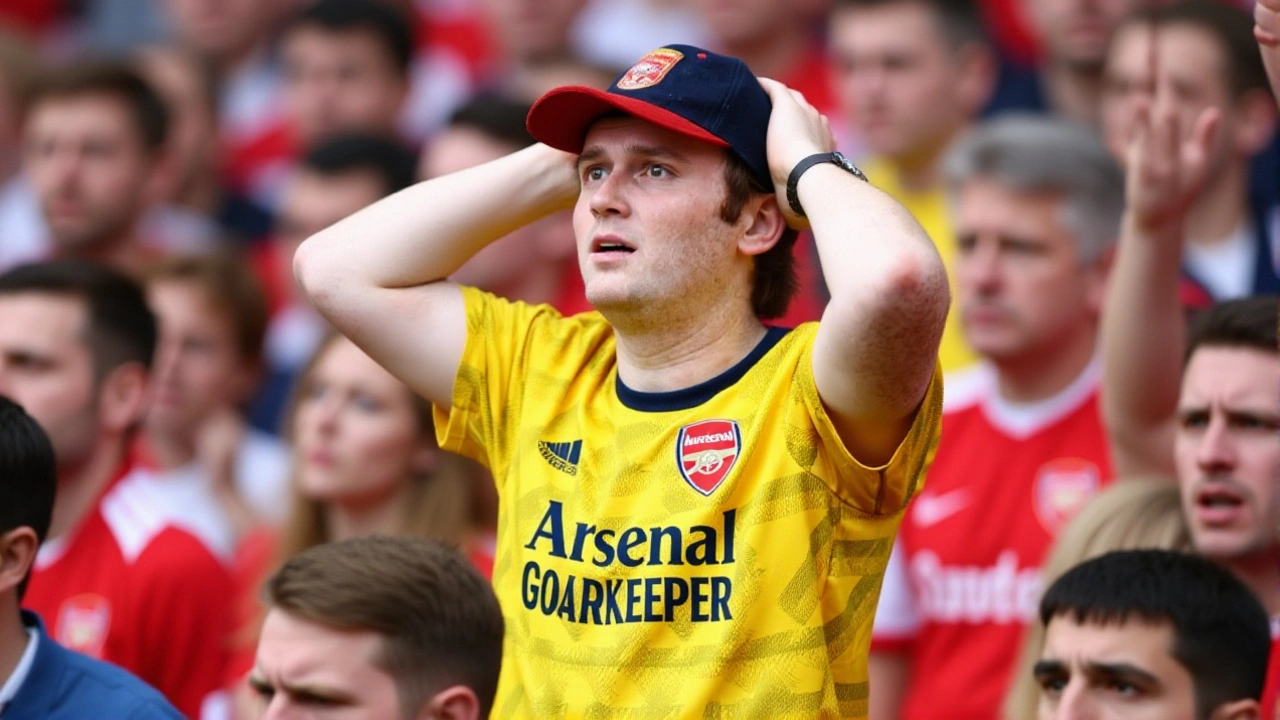
Why the uproar? Football is as much about momentum as it is about results. A three-week gap so early in the season disrupts team chemistry, tactical adjustments, and fan engagement. Imagine getting into a groove—winning streaks, tight defenses—and then hitting pause for 21 days straight.
Supporters have voiced clear discontent. The phrase "monster break" has become shorthand for frustration among those who feel the league is prioritizing international commitments over domestic continuity. One fan put it bluntly on Twitter: "Three weeks without my team? I’ll forget how to sing the chants." While humorous, it underscores a genuine concern about disconnection.
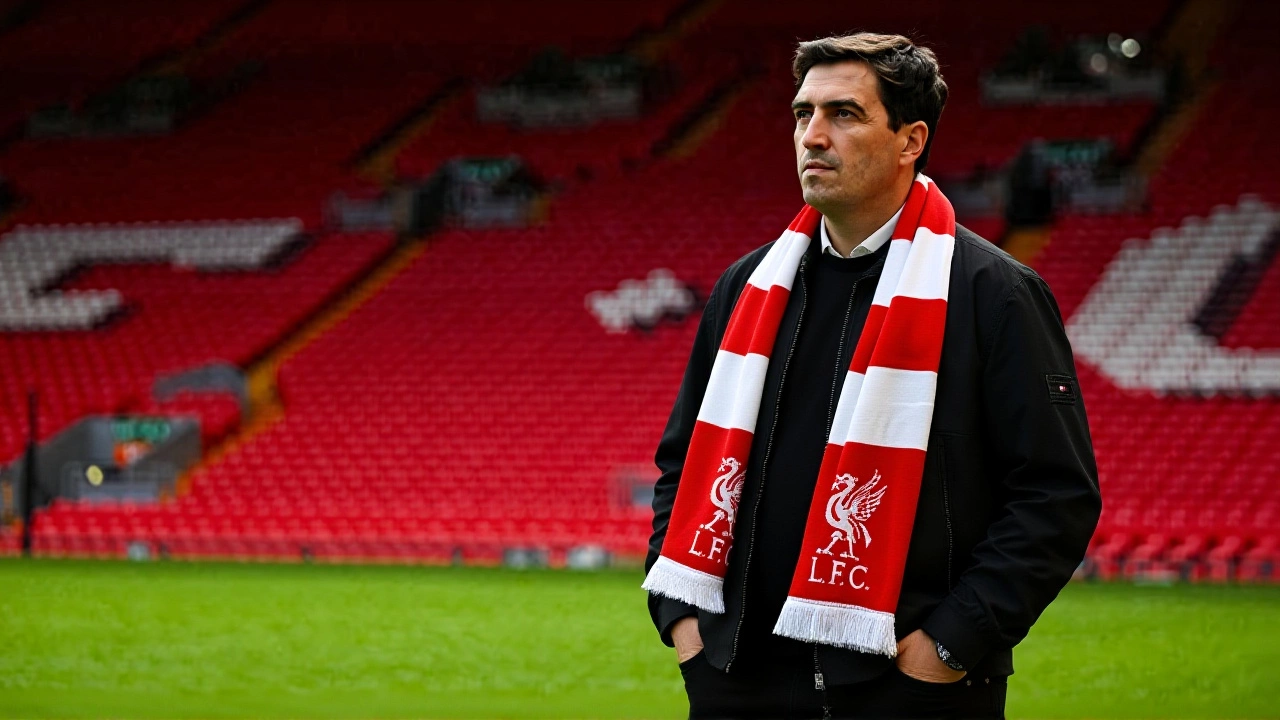
Clubs face challenges too. Training regimes must adapt to prevent rustiness or injury upon return. Managers like Enzo Maresca, who takes charge of Manchester City following Pep Guardiola’s departure, will need to manage squad fitness carefully during this extended layoff.
Key Storylines for the 2026/27 Season
Beyond the calendar chaos, the newly released fixtures highlight several compelling narratives:
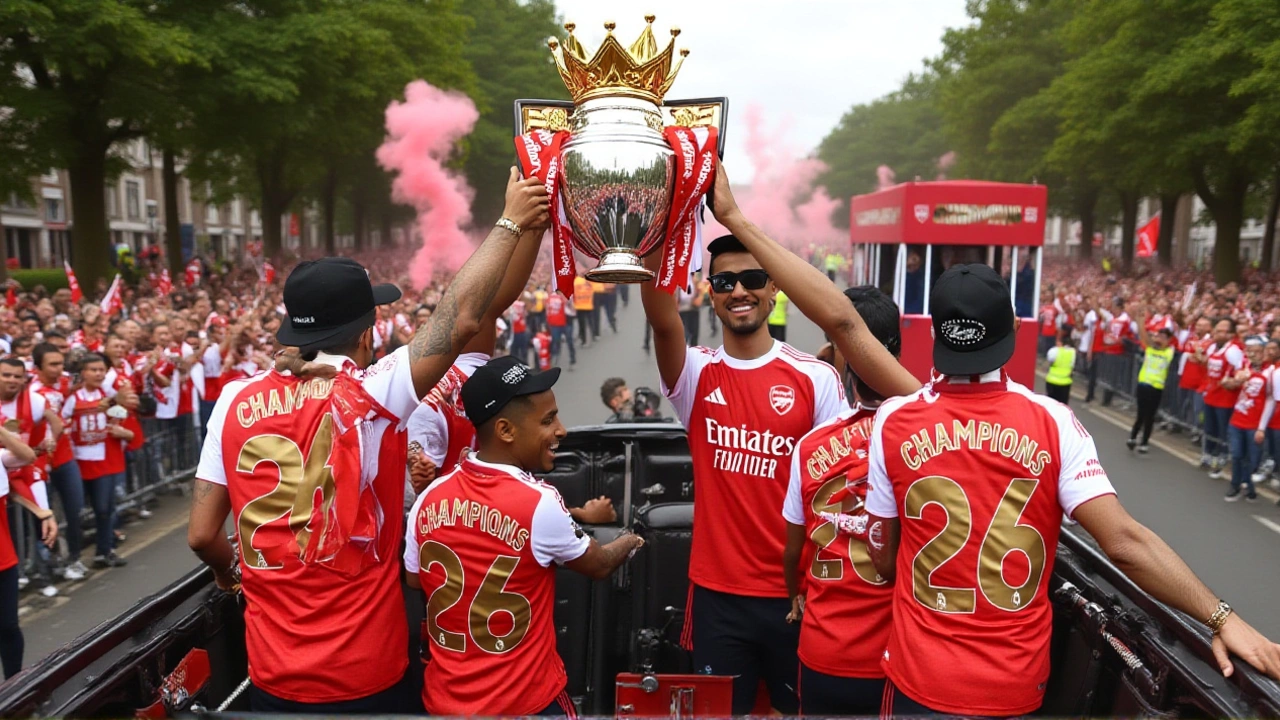
- Arsenal’s Title Defense: After clinching their first Premier League title in over two decades, Arsenal kicks off their defense against newly promoted Coventry City on Friday, August 21. Coventry, managed by Frank Lampard, brings fresh energy and ambition to the top flight.
- Manchester City’s New Era: With Pep Guardiola moving on, Enzo Maresca steps into the big shoes at the Etihad. His first full season will test his ability to maintain City’s dominance amid significant scheduling disruptions.
- New Faces in Town: Alongside Coventry, Ipswich Town and Hull City join the Premier League as new entrants. Their promotion stories add drama and unpredictability to the early-season table.
What Does This Mean for the Future?
The consolidation of international breaks reflects broader pressures on global football calendars. FIFA and UEFA continue to expand international tournaments, squeezing domestic leagues for space. The Premier League’s decision to absorb this change signals a pragmatic, if unpopular, adaptation.
However, the long-term impact remains uncertain. Will player fatigue increase? Could mid-season form dips become more common? These are questions analysts will watch closely as the 2026/27 season unfolds. For now, fans can only brace themselves for a quieter autumn.
Frequently Asked Questions
When exactly does the three-week break occur?
The break begins immediately after the matchweek ending on Sunday, September 20, 2026. No Premier League matches will be played until the resumption weekend in October, creating a continuous 21-day gap in the schedule.
Why did the Premier League combine the September and October breaks?
The move aligns with global efforts to streamline international calendars. By merging two short breaks into one longer period, the league aims to reduce fragmentation while accommodating FIFA’s expanding tournament schedule, including World Cup qualifiers and continental competitions.
Which teams are newly promoted for the 2026/27 season?
Three clubs join the Premier League: Coventry City (managed by Frank Lampard), Ipswich Town, and Hull City. All three earned promotion through the Championship playoffs or automatic qualification in the preceding season.
Who is managing Manchester City under the new regime?
Enzo Maresca takes over as head coach following Pep Guardiola’s departure at the end of the 2025/26 season. Maresca brings a possession-based philosophy and prior experience in English football, aiming to sustain City’s competitive edge.
How long will this three-week break format last?
The extended autumn break is scheduled to remain in effect through the 2030/31 season. This means fans should expect the same calendar structure for at least five consecutive seasons, barring any unforeseen regulatory changes.